If you have actually ever viewed a cream siphon turn cold cream right into lavish peaks in a few drinks, you understand the charm of N2O cream chargers. They're portable, reputable, and efficient in much more than topping a cappucino. I've used whipped cream chargers in high-volume pastry programs, mixed drink bars, and examination cooking areas. Along the way I have actually seen the same preventable blunders chew with product, warp equipment, and in some cases, shame an or else sharp cook when solution is on the line. You can prevent those traps with a little bit of know-how and a regard for physics, hygiene, and the details of Laughing gas lotion chargers.
This is not regarding elegant hacks or headline-grabbing foams. It has to do with basics: temperature level, pressure, fat web content, battery charger quality, cleanliness, and safe handling. Get those right and you'll quit chasing issues that never needed to exist.
What N2O does, and why that matters
Nitrous oxide dissolves in fat and water under pressure, then increases quickly when the stress drops. In dairy lotion, fat beads support the micro-bubbles, producing a stable foam. Skimp on fat or mishandle temperature and the bubbles expand too huge, break, and weep fluid. Overcharge the canister and you emphasize the head gasket and transform a controlled development right into a firehose.
Most failing points begin here. Understand solubility, fat stablizing, and temperature, and your success rate dives. Disregard them and you'll condemn the battery charger when it's really the workflow.
The wrong lotion, every time
Low-fat cream foams fast and falls down also quicker. For traditional whipped lotion, I go for 35 to 40 percent fat. Some areas label this as heavy cream, others as light whipping cream, and in some cases the numbers rest on the edge. If you run under 30 percent, you're asking the gas to do the job fat need to be doing. Yes, you can include stabilizers like gelatin, xanthan, or a tiny percentage of mascarpone, however that's a technique option, not a solution for sexy fat content.
Ultra-high-temperature refined cream behaves differently from fresh pasteurized. UHT can foam well, whipped cream but it in some cases needs a touch much more sugar or stabilizer for the same body, and it can taste flat. If flavor matters, try a side-by-side: very same sugar and vanilla, one with UHT, one with sterilized heavy cream. Taste blind. Appearance and flavor are trade-offs you should choose with your taste, not a label.
Plant-based alternatives can function, however they're not developed equal. Coconut cream with adequate fat web content can whip beautifully, though temperature monitoring becomes even more vital. Oat and almond bases usually depend on emulsifiers and gum tissues; some brand names foam, others sputter. Test in little sets. If you're making vegan service products, jot down accurate brands, fat percentages, and temperatures. Consistency beats improvisation when tickets load up.
Assuming cold is cool enough
A cozy canister sabotages an otherwise excellent formula. For dairy-based foams, chill everything. I maintain the cream at 2 to 4 Celsius, the siphon body chilly to the touch, and also pre-chill the head and tip. When the body is cozy, the gas flashes early and presses unevenly. That's when you see damp surges, huge bubbles, and inconsistent texture. The cool metal additionally aids the gas dissolve right into the liquid prior to dispensing.
If your cooking area runs warm, stash the billed siphon in the fridge in between uses. In a busy bar, I have actually set a siphon sleeve in an ice bath for short jobs between rounds, then moved it to the refrigerator during time-outs. Keep the head over the ice line to secure the gasket. Never ever freeze the entire device; you'll shock the seals and jeopardize the valve.
Overcharging since more has to be better
It's appealing to add an added battery charger when the foam feels weak. The issue is normally somewhere else: low fat, warm lotion, or bad agitation. A lot of typical one-liter siphons need 2 N2O cream chargers for typical whipped lotion. Half-liter designs normally utilize one. There are exceptions for details recipes or desired densities, but regular overcharging pressures the head and can warp or split plastic components gradually. I've seen a bar back push a 3rd cartridge into a one-liter siphon to make up for loose foam. We obtained a blast of unstable bubbles for two minutes, then a pale hiss for the following ten, and the gasket never ever seated rather best again.
Follow the manufacturer's ability guidance. If a dish calls for even more gas, it ought to likewise clarify why, normally to drive a more aerated and completely dry foam that holds its form for plating. Document those dishes so no person improvises under pressure.
Shaking like a maraca
There's a pleasant place in between lazily swirling and attempting to wound the cylinder. For whipped cream, I favor six to eight company trembles after billing, with the siphon held up and down. Let the gas dissolve momentarily or Nitrouswhip two in the refrigerator if you can save the moment, after that a pair a lot more shakes before solution. Extreme trembling breaks the emulsion, whips the fat beyond excellent, and results in butter streaks. You'll see rough appearance and a film of butter accumulating near the shutoff if you go too far.
With thinner preparations like rapid-infused foams or nitro-muddled citrus creams, the shake matter adjustments. Much less body means less agitation is required. Find out to stop early, examination the initial pull, then change. It's faster to shake again than to deal with a split foam.
Using the wrong nozzle or tip
Nozzle form matters. A straight tip offers smoother, denser ribbons. A celebrity suggestion creates decorative grooves and slightly more oygenation. For regular portioning in service, I prefer a medium star suggestion for whipped cream on desserts and a straight suggestion for beverages where I want the lotion to rest neatly on a surface. If you're chasing limited swirls but using a wide straight pointer, you'll have problem with control and condemn the charger unfairly.
The product matters too. Metal tips last and string easily. Thin plastic suggestions warp with warm sanitation cycles and can cross-thread on light weight aluminum heads. If a pointer doesn't seat smoothly with finger stress, quit and re-align. Requiring it chews the threads and creates a long-term leakage path.
Skipping an examination pull
Always do a tiny test into the sink or a side dish before plating or crowning a mixed drink. You're looking for 4 things: clean flow, constant appearance, sound, and temperature level. A sputtering hiss signals gas without fluid. Wintry outside yet fluid dribble suggests inadequate agitation or a blocked dip tube. 2 seconds of testing conserves you from enhancing a wonderfully established tart with streaky foam or splashing a guest with half-whipped cream.
Ignoring sanitation and storage windows
Cream is food, not a prop. Treat it with the same health you would certainly give a bread cream or a custard. Sterilize the cylinder, head, tip, and gasket between batches. Pull the gasket and examine the network where milk likes to hide. Change gaskets that extend, split, or soak up odors. They're economical contrasted to a solution meltdown.
Shelf-life depends upon formula and temperature. Simple sweetened whipping cream butted in a tidy siphon and held at fridge temperature level maintains its appearance and taste for regarding two to three days. Afterwards, flavor stales and hydrolysis begins loosening the foam. Stabilizers can expand the home window to 4 or five days, but just if you maintain cool chain and tidiness. I log the set time on an item of tape on the siphon body, then set a tough discard time. It's unworthy wagering with dairy, specifically when team turnover suggests a person will inevitably recycle an unlabeled canister.
If you are experimenting with egg whites or instilled milk, tighten up the timeline. Egg white foams in a siphon can be phenomenal for alcoholic drinks, yet they carry greater risk if messed up. Pasteurized whites assist, yet I still keep a 24-hour limit.
Cross-threading or mismatching brands
Not all heads fit all containers. Stick to a reputable siphon brand and their matched components. Cream chargers have a standard size, but the head, valve seat, and piercer setting up vary. Cross-threading a head onto a body really feels abrasive and needs pressure. That's your sign to stop. Requiring it takes the chance of a micro-leak that shows up only under pressure, which is a poor shock throughout service.
If a brand-new staffer assembles siphons, educate them on seating the head right and snugging it down hand-tight. Conserve wrenches for maintenance, not assembly. Overtightening flattens gaskets and shortens their life.
Storing the container on its side
A billed siphon belongs upright. The dip tube needs fluid near the bottom, gas at the top. If you lay a cylinder sideways in a congested refrigerator, the gas can get to the shutoff initially. Your very first pull ends up being a worthless blast of N2O, complied with by a coughing stream. In some cases it takes a few firm shakes to resettle points, wasting time and battery chargers. Use door racks or a committed shelf to maintain siphons upright. In one busy pastry cooking area, we velcroed a narrow stainless collar to the rack so each system had a snug vehicle parking area. Inexpensive, effective, and we never ever shed that initial pull again.
Confusing N2O with CO2
Nitrous oxide cream chargers are not compatible with CO2 cartridges. CO2 is acidic in service, sharpened by carbonic acid, and breaks dairy foams. It creates an irritable appearance and can curdle creams with specific acids. Book CO2 for carbonating water, batters, or specific carbonated applications. For timeless whipped lotion and most culinary foams, you require N2O.
You will see hybrid strategies where bartenders carbonate light milk blends with CO2 for a lively glimmer. Those are special cases and usually avoid whipping cream, leaning on whey or low-fat milk maintained with gum tissues. If you do not have a details checked recipe, stick with Laughing gas cream chargers for any cream-based foam.
Using deal chargers with inconsistent fill
Not all cream chargers are equivalent. Trusted brands consider continually and utilize tidy gas that does not complete tastes. Deal chargers can differ by a gram or even more, which impacts pressure and solubility. Worse, inadequate manufacturing can leave trace oils or metal tastes that hemorrhage into delicate lotions. If you taste "tinny" notes, or if you notice various efficiency from cartridge to cartridge in the exact same box, quit. Switch to a far better brand and compare. You may pay a few cents much more per battery charger, yet you'll save in product waste and stress.
For high-volume operations, run a batch check. Consider a few random cartridges from each situation to confirm fill uniformity. Keep in mind performance across solution. If you track this, patterns jump out fast.
Forgetting that sugar and alcohol transform the foam
Sugar includes body and stability, yet at higher levels it attracts water, thinning the foam gradually. I like 7 to 10 percent sugar by weight for a timeless sweetened cream. Go greater for piping and decoration that require to hold edges. Vanillin or vanilla remove includes flavor yet see alcohol web content. A huge put of liqueur or remove reduces stability and can make the foam slow. If you desire a boozy chantilly for desserts, maintain alcohol under 5 percent of the total liquid, or add it in a syrup with marginal ethanol. When I desire an amaro whisper in whipped cream, I lower the liqueur on low warm to repel some alcohol, cool it, after that fold up the syrup into chilly cream.
Acids additionally shift actions. Lemon passion in cream functions beautifully; lemon juice in cream risks curdling. If you require brightness, test little batches or include zest oil as opposed to juice.
Blocking the dip tube and disregarding strainers
Seeds, passion strings, and micro-pulp can choke the dip tube. It's never ever hassle-free, constantly untidy, and avoidable. Strain everything that enters into a siphon, also flavorful lotions. For infusions with spices or passion, high, chill, after that pass through a great mesh or coffee filter. If you insist on accelerating service and skip the straining, you'll pay when the shutoff refuses to open up mid-rush.
If an obstruction happens, vent the gas safely, open up the head, rinse television, and re-strain the mix. Never ever poke down the suggestion with a metal skewer while pressurized. That's how you transform a small clog into a high-velocity spray of dairy products and regret.
Treating the siphon like a blender
A siphon is mild, regular pressure, not a stand mixer. Resist trying to whip buttercream, thick batters, or chunky purées in it. Thick blends can catch pockets of gas and produce unforeseeable bursts. If your base can not flow through a drinking straw, it doesn't belong in a standard lotion siphon. There are specialized nozzles and large-format dispensers for thicker espumas, however also after that, you need a smooth purée and correct stabilizers like jelly, agar, or methylcellulose, tested at set size.
Skipping the pressure launch before opening
You should vent a lotion siphon prior to eliminating the head. I have actually viewed capable cooks break an avoid a partially pressurized canister due to the fact that the giving lever stuck. The split second the strings removed, the head released and painted the ceiling. If the bar is stuck, gently depress it while holding the unit upright over a sink, or swap to a cleaning idea with a larger birthed. Maintain fingers clear of the nozzle. If you presume a valve malfunction, wrap the head with a towel while airing vent as a last safety measure.
Using warm incorrectly
Some siphons are rated secure for cozy prep work, others are not. Read the noting on the body. If it doesn't explicitly enable warm or warm solution, do not immerse it in a bain-marie or gather warm fluids. Heat increases gas, raises stress, and can blow a gasket or even worse. For warm foams, make use of the appropriate hardware, maintain temperature levels managed, and examination with water first to verify the thermal behavior.
Also, never pack a hot dishwashing machine cycle with the constructed head. Gaskets deform and springs lose tension. Hand laundry parts, after that air-dry completely. A damp valve grows funk in a weekend.
The single worst habit: end-of-service neglect
You ended up service, the siphon still holds gas, and you're tired. That's when individuals surrender the fridge and walk out. The next change inherits an enigma cyndrical tube. Personnel begin guessing at age, contents, and cleanliness. Sometimes they vent and lose. Often they offer it and really hope. Neither is great craft.
Develop a closing regular and impose it. Mine is plain and quick.
- Vent the siphon entirely, eliminate the head, and dispose of leftover product. Disassemble the head, pull the gasket and suggestion, and rinse every part in hot water, then wash with detergent. Run a sanitizer rinse on the small components, after that air-dry on a shelf. Do not rebuild wet. Inspect the dip tube and valve for residue. Change worn gaskets month-to-month or quicker if the device sees heavy use. Record any issues on a little tag or log, like sticking shutoffs or inconsistent flow, and draw suspicious systems from service till fixed.
That list maintains you honest, and it maintains visitors secure. It additionally prolongs the life-span of your equipment by months, occasionally years.
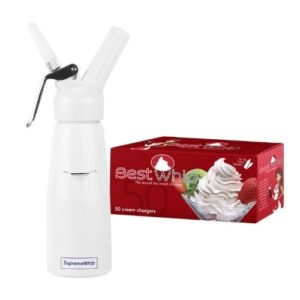
Smart troubleshooting when the foam misbehaves
You shoot and something feels off. Detect in order. Check temperature first, after that frustration, then gas amount, then obstructions. If you get watery dribbles, the mix is either also warm or too thin. Cool the canister and shake a few times. If you get only gas, the siphon rested sidewards or the dip tube is obstructed. Touch the body, invert it upright, offer a gentle shake, and attempt again. Still absolutely nothing, vent, open, tidy, stress, and recharge.
When the foam is grainy, you over-shook or the lotion over-whipped inside the canister. Cut the set with fresh cool lotion and mix delicately prior to reenergizing, or begin once more. If the foam tastes metal, switch battery charger brands and tidy the valve extensively. If you scent dairy products funk from the head, draw the gasket, saturate, and replace. Some odors stay in rubber; there's no recovering a rancid gasket.
Safety is not optional
N2O cream chargers are created for cooking use. Treat them with the very same respect you give any pressurized system. Shop chargers in a great, dry place, far from direct sun and warmth resources. Do not pierce spent battery chargers beyond authorized recycling programs. Do not inhale the gas, full stop. Beyond the lawful and honest concerns, inhalation can displace oxygen and create actual damage. Train your group on expert usage and make misuse a hard line.
If your siphon drops or takes a hit, check it prior to charging once again. Damages in stress vessels are not aesthetic in the kitchen area. Replace harmed units.
The peaceful upgrades that make a difference
Two economical upgrades repay. First, purchase a spare collection of gaskets and pointers for each siphon and store them with the unit. Swapping a tired gasket takes seconds and avoids a mid-shift failing. Second, buy a small digital range for consistent dishes. Logging grams for cream, sugar, and flavoring eliminates guesswork and makes it very easy to identify problems.
For teams, create a one-page SOP. Consist of fat percentage, basic cost matter, shake method, storage space position, hygiene steps, and the discard timeline. Tape it inside the refrigerator door where the siphons live. Society beats memory in a busy kitchen.
Stretching beyond whipped lotion, safely
N2O cream chargers can do greater than chantilly. Nitro mousses with delicious chocolate and water, parmesan foams for mouthwatering plates, coffee crema for signature drinks, also quick-infused oils. Each application transforms the policies. Chocolate foams require precise cocoa butter content and temperature level to stay clear of seizing. Cheese foams benefit from blending with whey or light stock and a stabilizer. Coffee crema desires fine purification and gauged sweet taste to stop bitter concentration.
In every case, believe in systems. What provides structure: fat, jelly, agar, or methylcellulose? What is the target viscosity for safe giving? What's the thermal variety? Test in half-batches. Log your ratio, charger matter, shake routine, and yield.

Final ideas, without fluff
Most errors with whipped cream chargers come from rushing or thinking. Respect the physics, pick the best lotion, keep everything chilly, fee properly, and tidy like a pro. Pick reputable Nitrous Oxide cream chargers, deal with the devices gently, and jot down what jobs. When you do, a lotion siphon ends up being an accuracy tool, not a lottery machine.
Get those basics right and you'll draw excellent ribbons of cream on command, not simply on fortunate evenings. Your visitors will observe. Your team will thank you. And your margins will quietly improve, one trustworthy swirl at a time.